





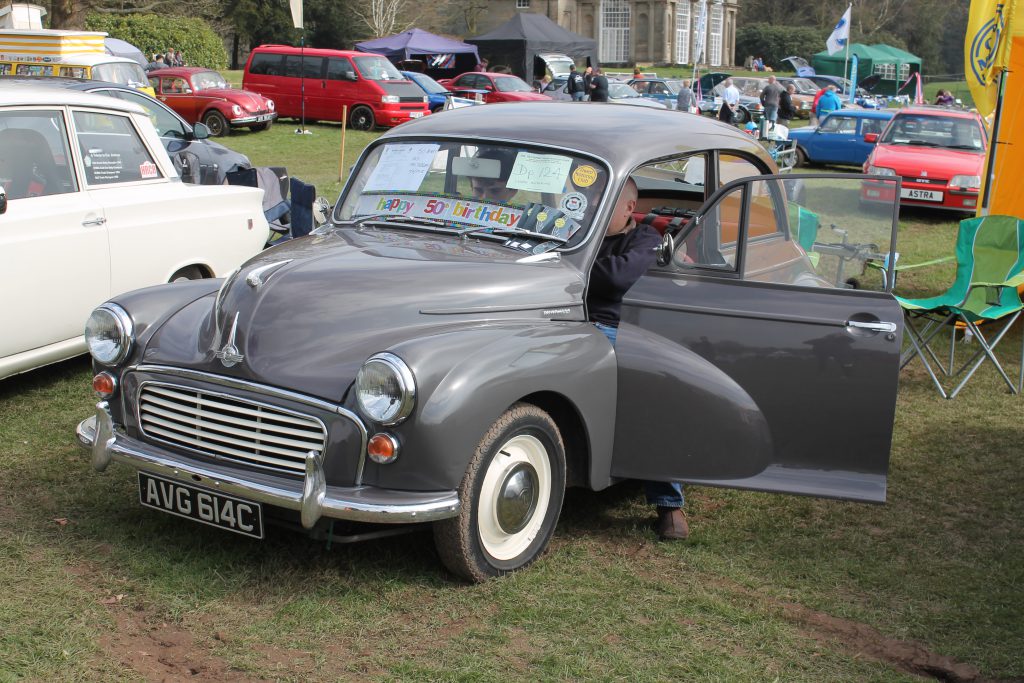

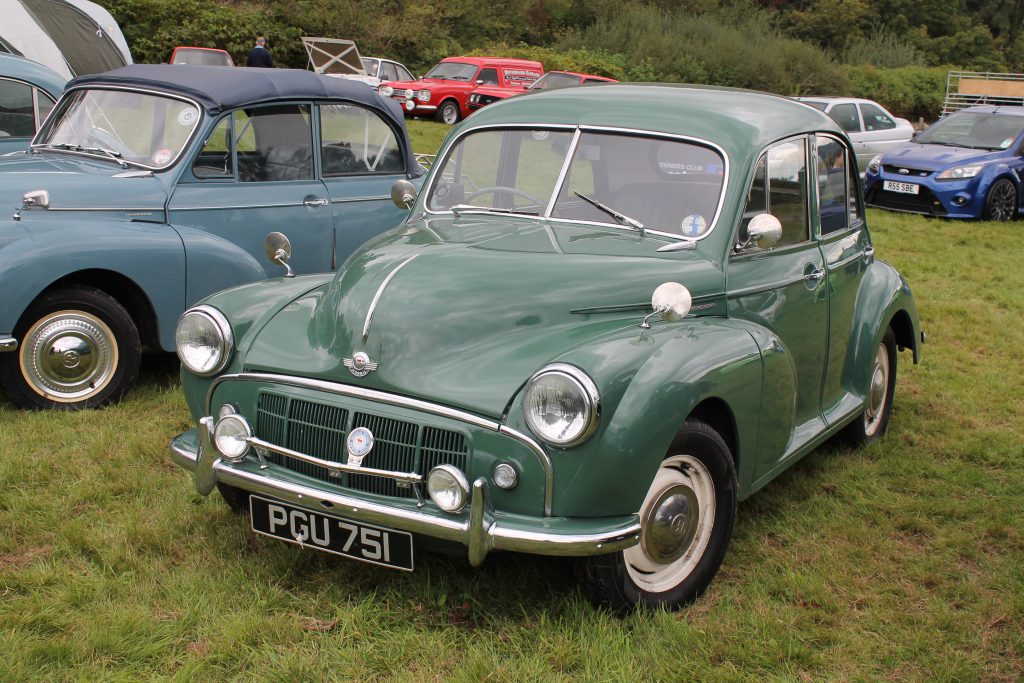


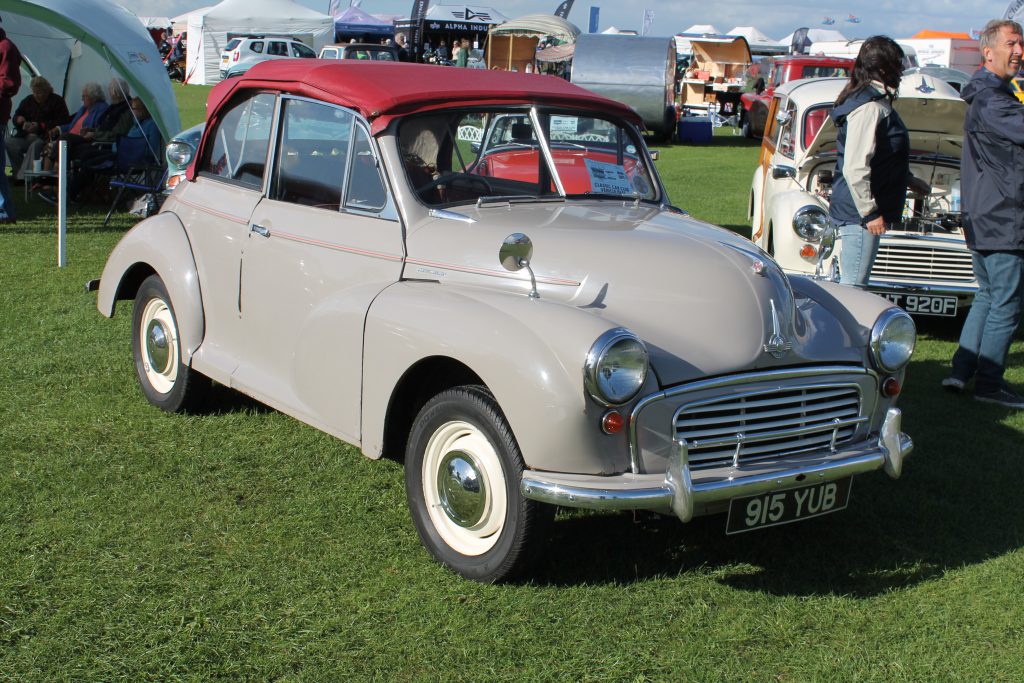


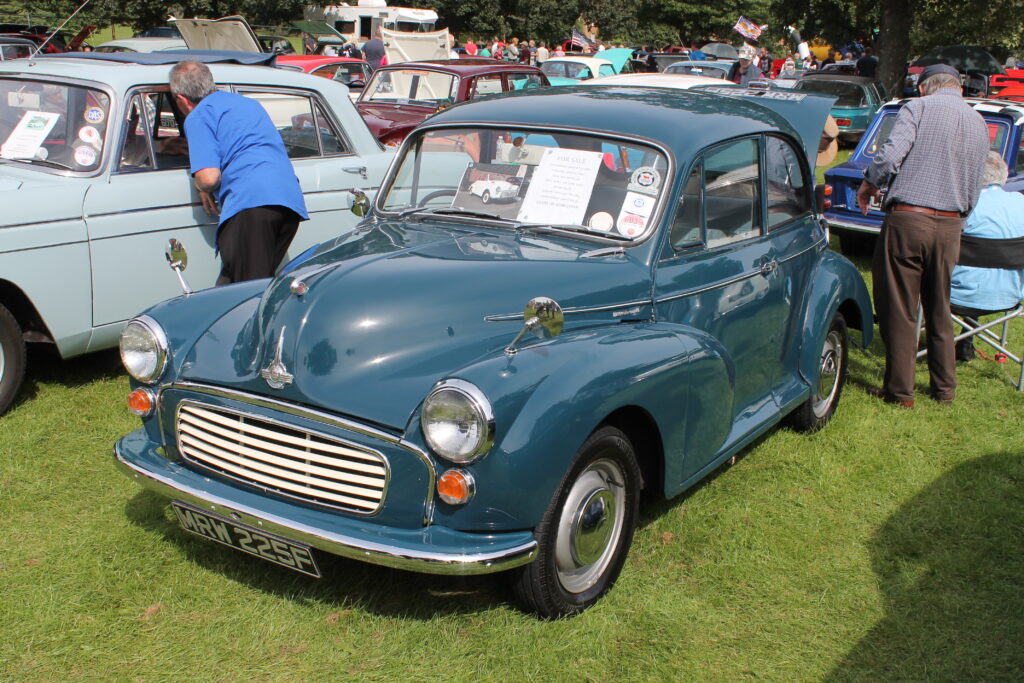
The Morris Minor needs no introduction. Known the world over as Sir Alec Issigonis’s second greatest creation, it is a staple of British culture and a charming, widely loved classic which only makes a better case for itself as the years march along.



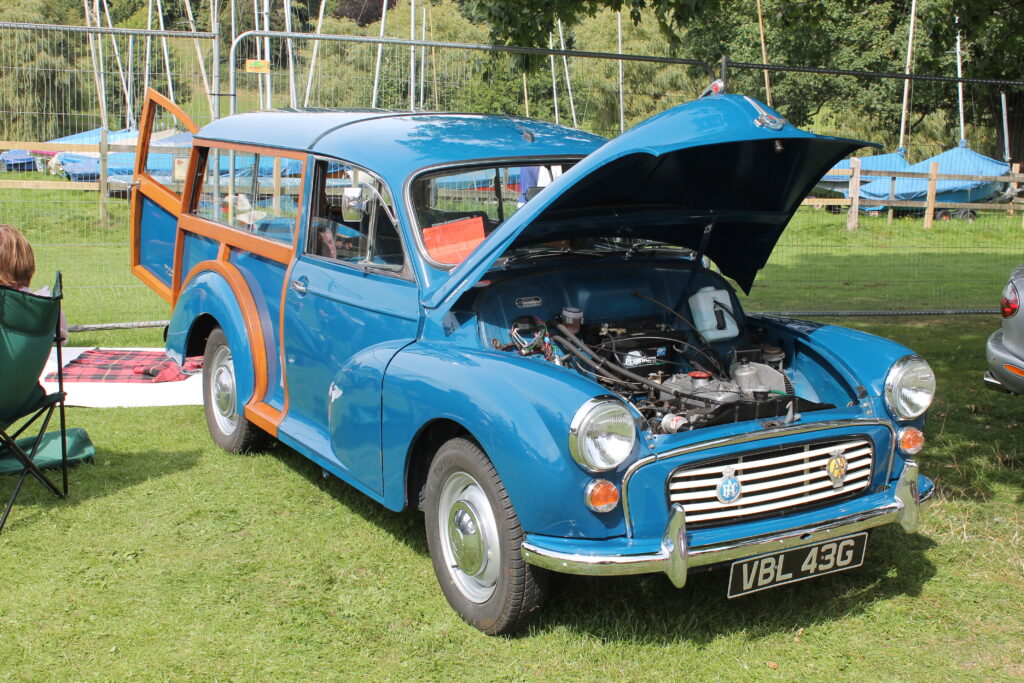
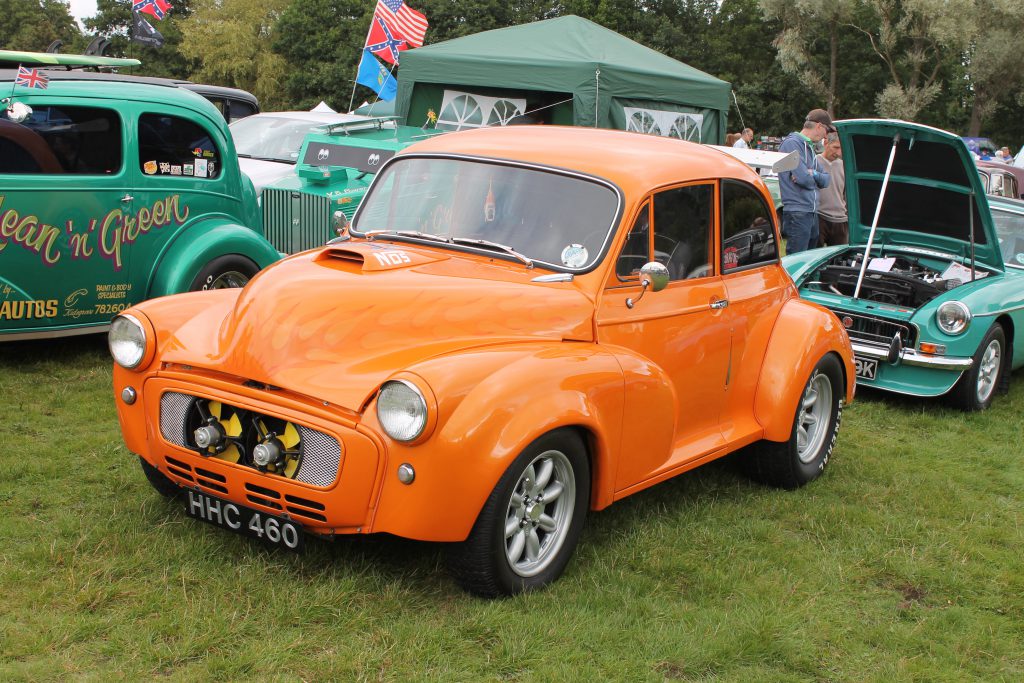
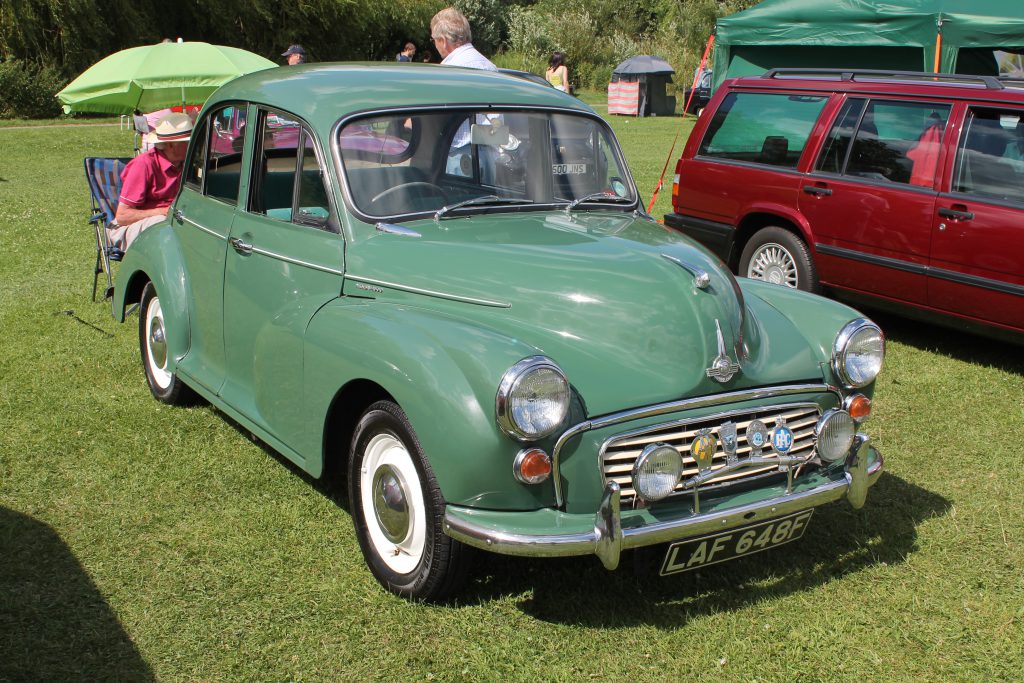
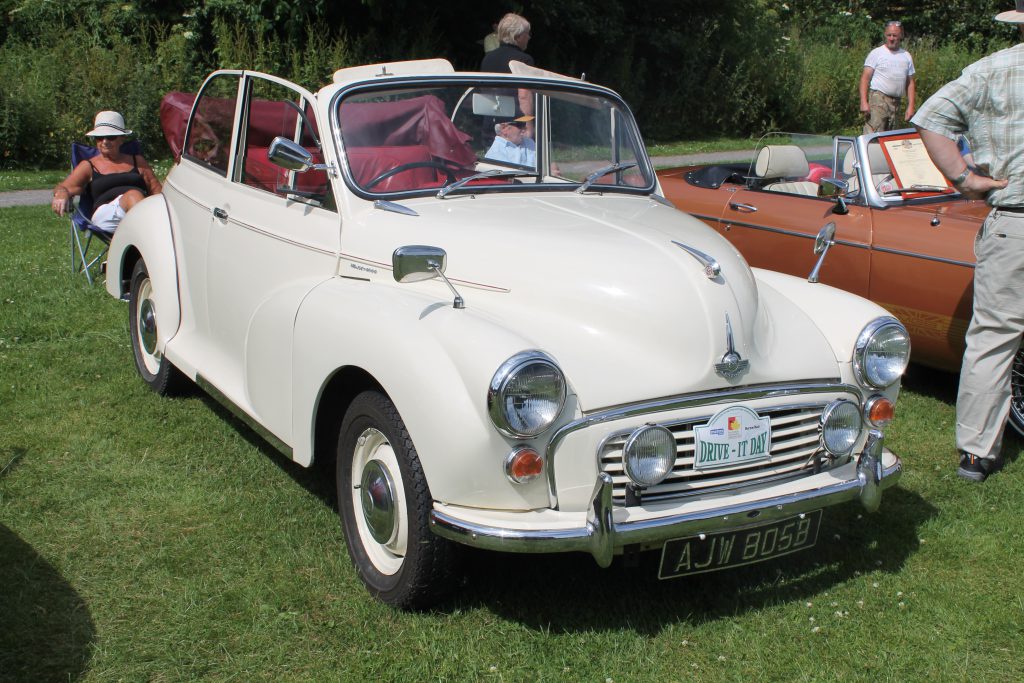
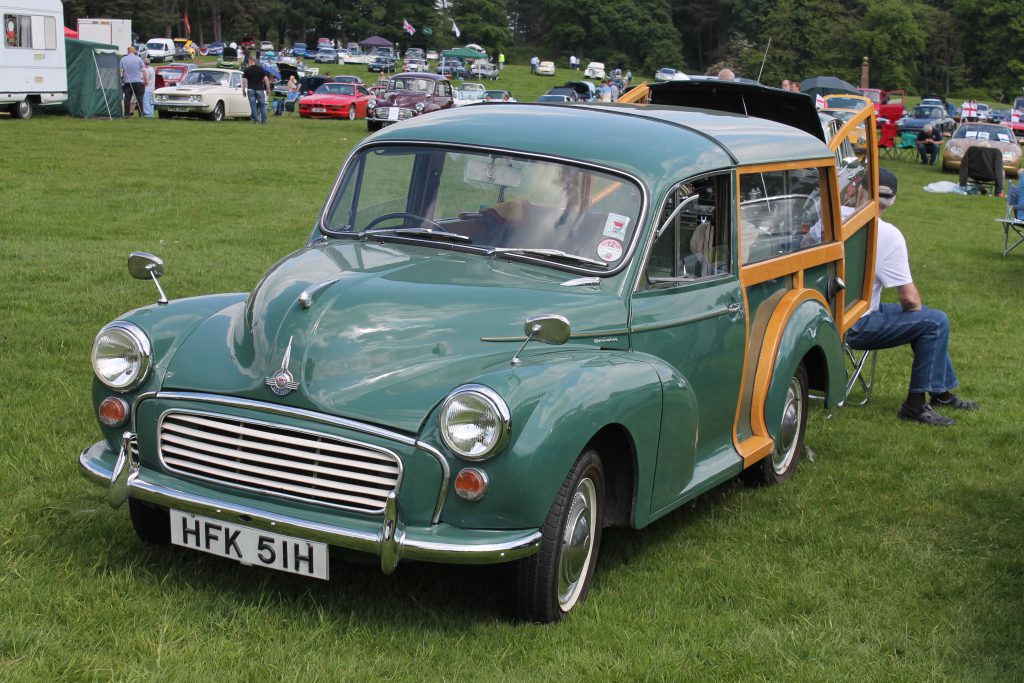
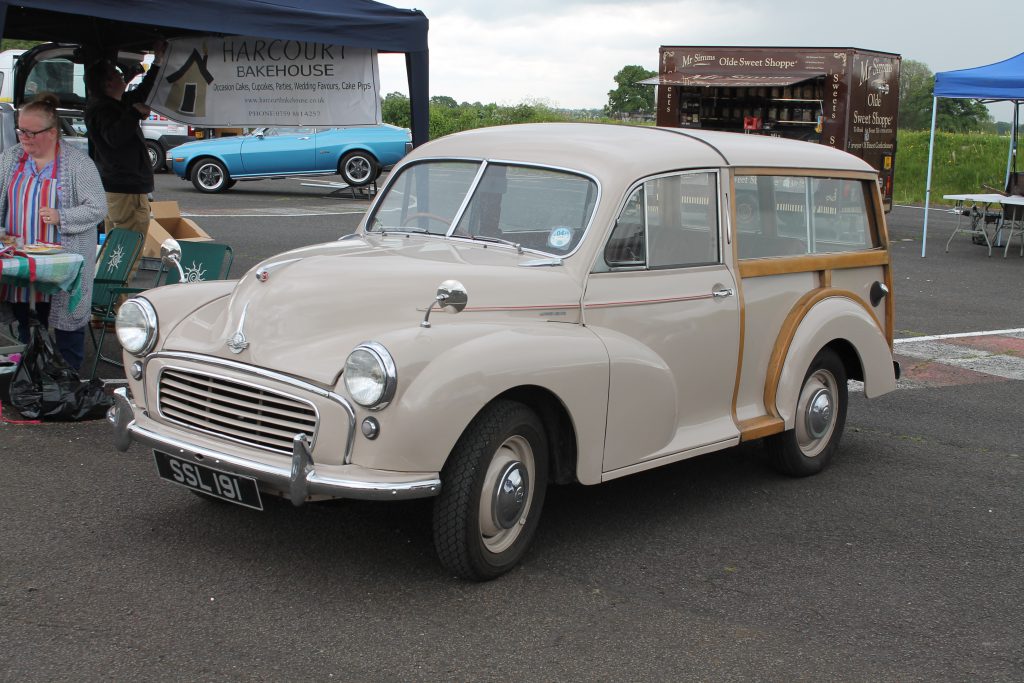
While the Mini stole all the headlines, leaving its older brother in the shade somewhat, the Morris Minor was a stupendous success. Penned by Sir Alec Issignonis, it entered production in 1948 and went on to enjoy remarkable sales figures. By the time production ceased in 1971, well over a million Minors had been sold. The fact that the Minor straddled such a vast cultural change - from post-war frugality, the stability of the Fifties, the rock’n’roll Sixties, and right into the Bowie-crazed Seventies, speaks dividends both to the car’s brilliant design and its beloved status in British culture. The Morris Minor saw a number of aesthetic and mechanical alterations throughout its life. The early MM car - recognised by its lower headlamps and cheese grater grille - came with a choice of body styles. You could have a two-door, a four-door or the convertible Tourer. The MM was replaced in 1952 by the Series II. This was the Minor that every remembers, with its higher headlamps (although later MM cars were also specified with these), a different grille, and fitted with the 803cc A-Series engine. The Series II also saw the introduction of the wooden-bodied Traveller, a number of different commercial body shapes, which widened its appeal further. The Series II was replaced in 1956 by the Series III, so called the Minor 1000. This number referenced the Minor’s greater capacity (948cc), but that doesn’t mean it was suddenly a pocket rocket. While the uprated engine was fitted to keep the Minor relevant and safe on the newly laid motorways, 0.60 mph was cut from 50 seconds to 30 seconds, meaning it was still far from being a performance car. Other changes included minor (!) styling alterations and longer gear ratios. The confusingly named Series V arrived in 1962 (Series IV was skipped as the Mini-Minor had already stolen the name), with a larger capacity engine, which makes it the most usable variant on modern roads. This was the final Minor specification.
As with any old classic, the state of the bodywork and chassis is likely to determine the car’s value - and whether you have a ticking time bomb on your hands. Don’t worry too much about the condition of the body panels themselves (unless they are in serious decay) as they are reasonably inexpensive to replace as individual parts. Common trouble spots include door bottoms, wheel arches, and the A, B, C and D posts. Keep in mind that if an extensive body repair job is needed, the cost of panels and fitment can soon turn ugly. The real concerns lie hidden underneath. If the monocoque is rotten then the car is a money pit and you should walk away immediately. Again, remember that a Minor is unlikely ever to fetch big money, so avoid pouring a lot of money into a rust-bucket, in the vain hope that it could be an investment. It won’t be. Stick to healthy examples. Trouble spots to inspect include the chassis legs (positioned on either side of the engine bay), the bottom of the radiator, the front valance and the crossmember located underneath the seats. The crossmember and chassis legs will need to be completely replaced if there are signs of corrosion. Another area to watch out for is the rear chassis - particularly the rear members. Specific rust spots include the spring mountings, inner wheel arches and the floor. Of course, you’ll also want to make sure the sills and bulkhead are in good condition. The Traveller comes with a wooden rear frame. Check it for discolouration and signs of decay or damage. These wooden additions are structural and expensive to replace, so it is crucial that they are in working condition.
With regards to the engine, the later the model, the more reliable the unit is. While the earlier Austin side-valve engines (which shared many parts with the earlier Morris Eight Series E) are underpowered and are renowned for having a weak bottom end, the later A-Series power plant is more powerful, sweeter to drive and more reliable. The head gaskets are not fond of modern fuel, but valve-seat recession is not a common problem. Also keep an ear out for big-end knocks as you start the engine, rattling from the timing chain and make sure the oil light is quick to go out. On the A-Series engine, one common - and unsurprisingly - sign of an unhealthy engine is blue smoke from the exhaust, as well as noisy tappets. If you see evidence of smoke, the engine will likely require a bottom-end rebuild.
The transmission should be a hardy unit, with some owners reporting well over a quarter of a million miles without a change, as long as it has been well looked after. Be sure to change the oil every 6000 miles, and make sure the clutch doesn’t slip. Don’t worry about crunching in first (there’s no synchromesh), but check it isn’t jumping out of gear.
The suspension set up is not exactly advanced. You’ll need to keep on top of it to get the best out of the running gear. The front trunnions and swivel pins will need greasing every 3000 miles or they will perish, and inspect the rear suspension carefully. Check that the lever arm dampers aren’t leaking (although many owners have since swapped these in for telescopic alternatives).
There really isn’t much that can go wrong with a Morris Minor’s electrics. In fact, most issues are the result of a previous owner’s bodging or broken old wires. You can your hands on some new looms quite easily.
The Morris Minor’s cabin is pretty basic, so there isn’t a huge amount to watch out for. Nevertheless, if you are in the market for an early car and a stickler for originality, beware that many owners have swapped the seats and trim for newer versions. Unfortunately, sourcing early trim is becoming harder and harder, so bear this in mind before you opt for a project car. A Minor in poor condition can easily allow water to seep in through worn window and door seals, so feel the carpets for dampness.
Although the Morris Minor is about as far away from a performance car as its possible to go, it is a revelation to drive. Earlier cars really are consigned to pub runs and gentle meanders along country lanes, but the more powerful later cars are still just about capable of keeping up with modern traffic (motorway journeys are an ambitious undertaking, however). The controls are well-calibrated and pleasing to use, with body roll not as dramatic as you might imagine. The Minor’s delicate steering and comfortable, controlled ride are its calling cards. If an example doesn’t fit this description, there is likely something amiss.
When it comes to buying a Morris Minor, there are a fair few to choose from. Time has largely been kind to Sir Alec Issignonis’s creation, and as long as you aren’t hung up about total originality, there is no shortage of suitable working examples on the market. Keep in mind that the newer the model, the less valuable it is on the market. Expect a 50 per cent premium on Traveller and Convertible models. With regards to which model is best for you, it largely depends on what you’re looking for. You will be able to pick up a barn find 1000 or split-screen Minor for around £1,000, with £3,000 to £5,000 buying you a rough and ready car that likely needs work. For £5,000 to £8,000 you are looking at some decent runners, while the cream of the crop - early cars in immaculate condition and mint Travellers - command £8,000 and upwards.
There is nothing scary or pricey about Morris Minor ownership, so long as you do your due diligence and choose wisely. A well-sorted Minor is an easy to maintain classic, with very little to keep on top of relative to more exotic cars. The fuel economy is remarkably good for a car of this age, and you’re unlikely to need much to keep it on the road. Watch out for difficult to find trim pieces and rotten chassis, as these will quickly soak up more money and time than it’s worth.
The Morris Minor has everything you could ever need from an entry level classic. It oozes charm, has cute looks and a driving experience that will put a grin on your face every single time you slide behind the wheel. As long as you avoid poorly maintained examples, this is a brilliant everyday classic.
Clubs & Websites

 Log in / Register