

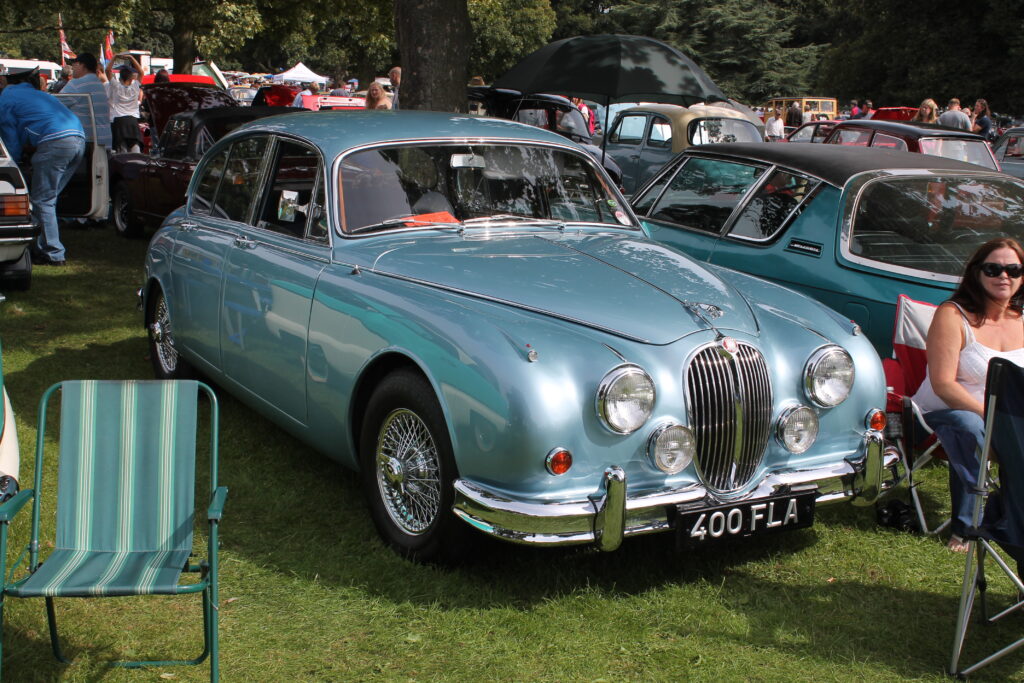

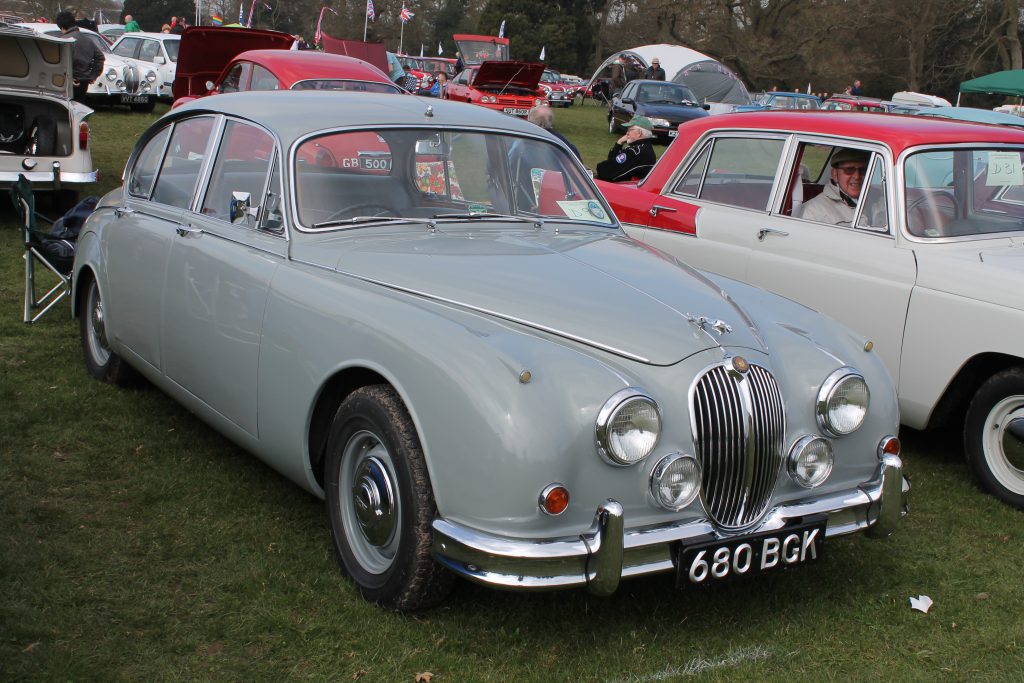
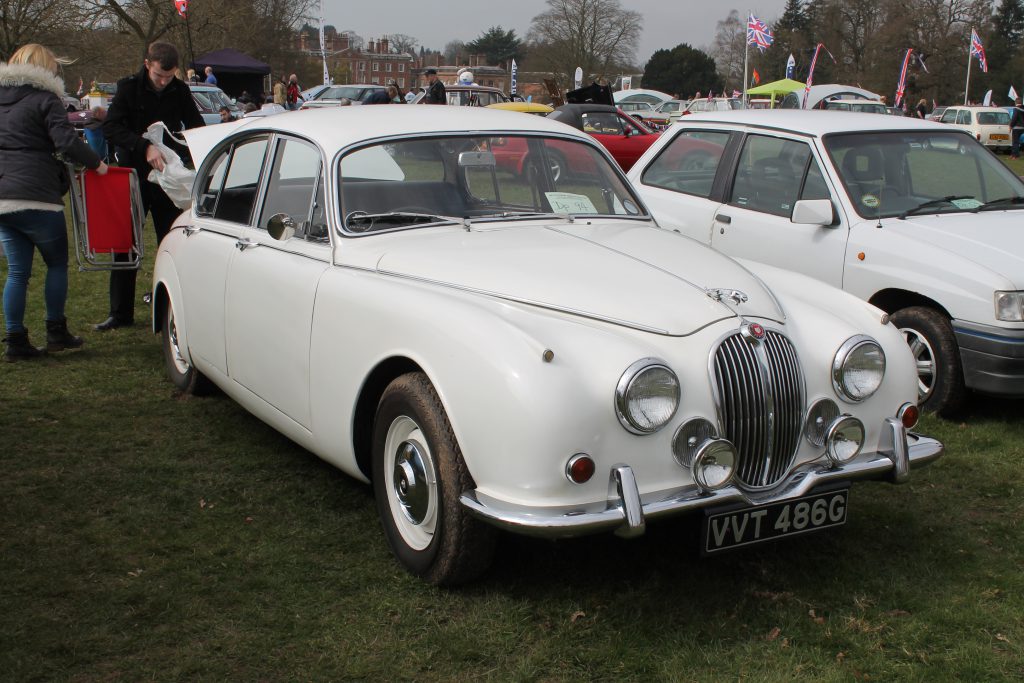
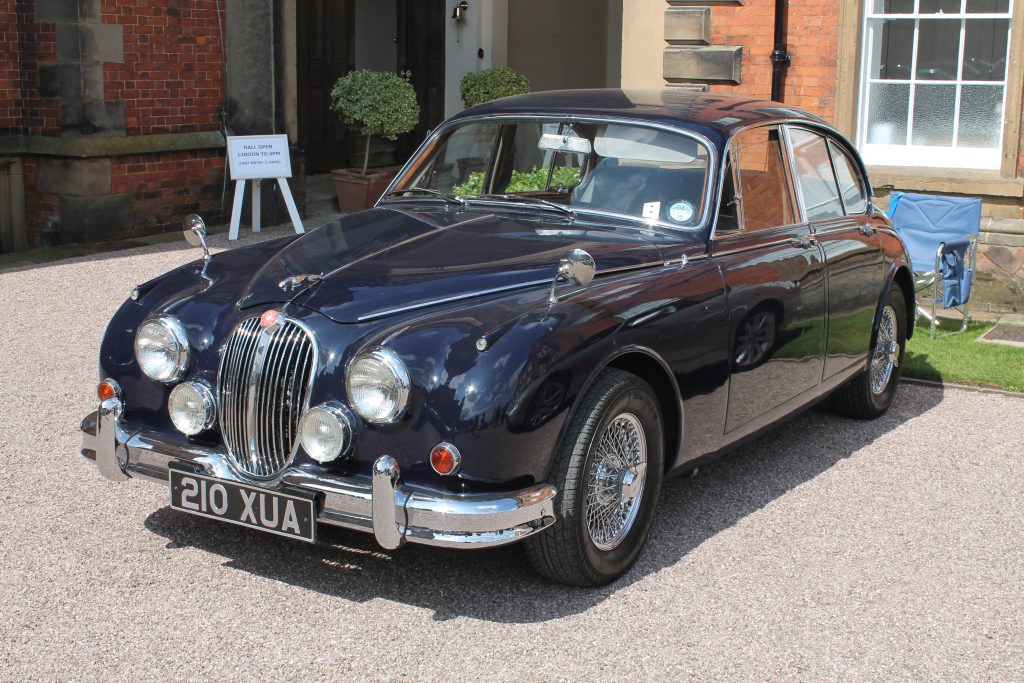
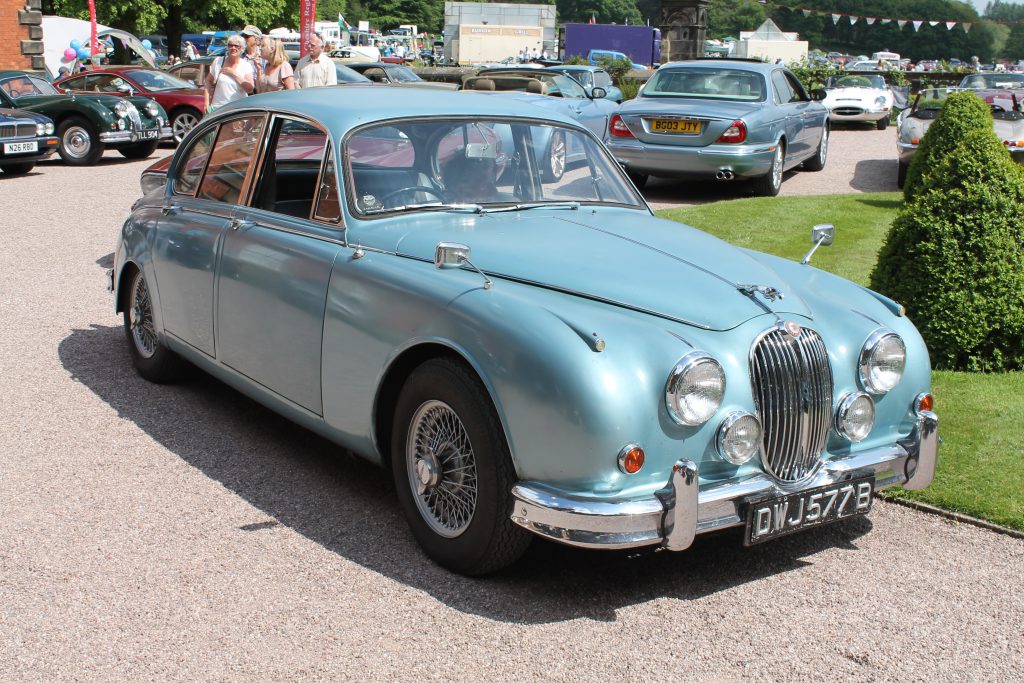
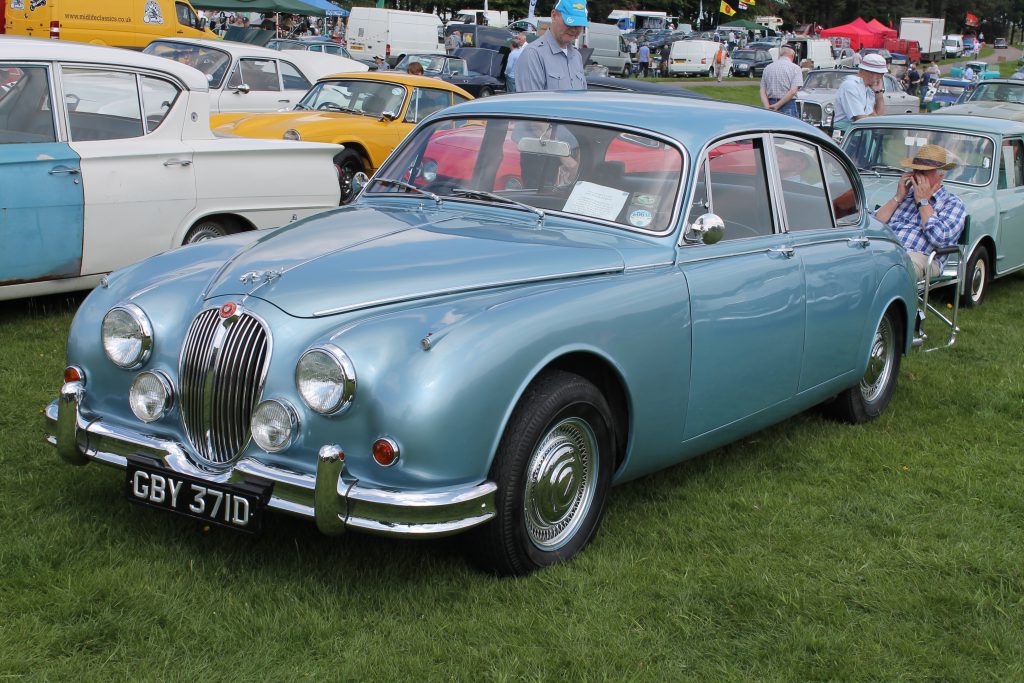

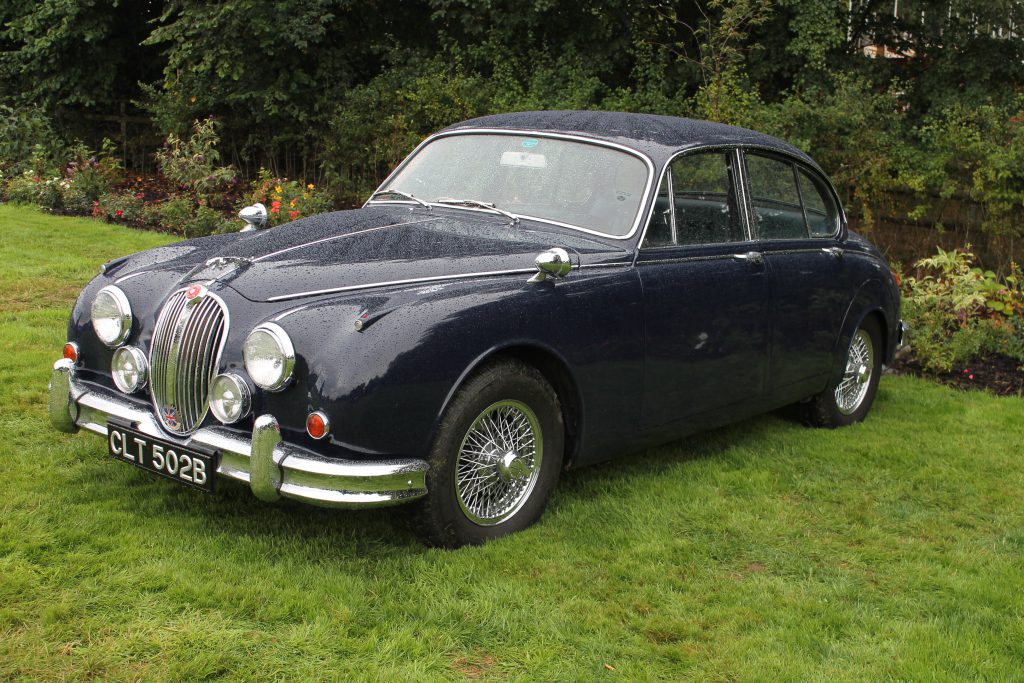

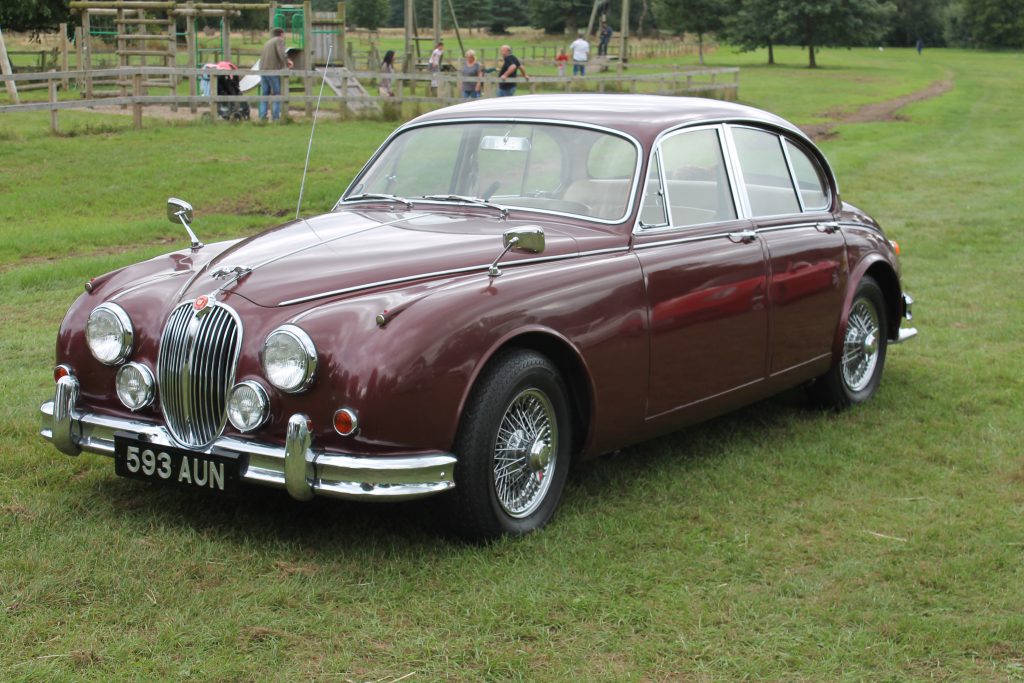


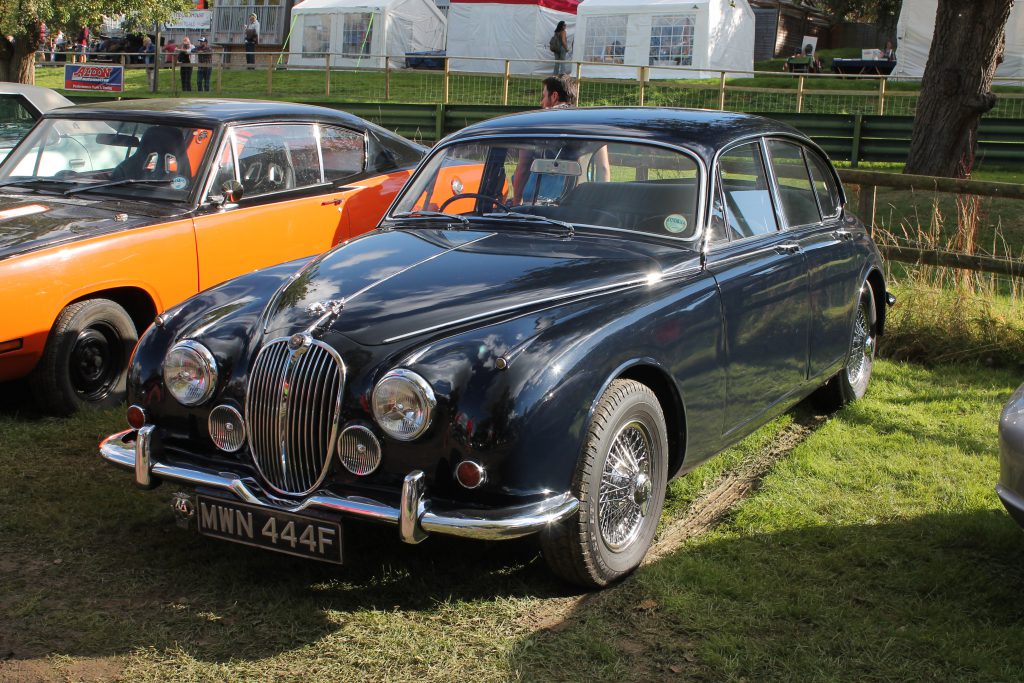
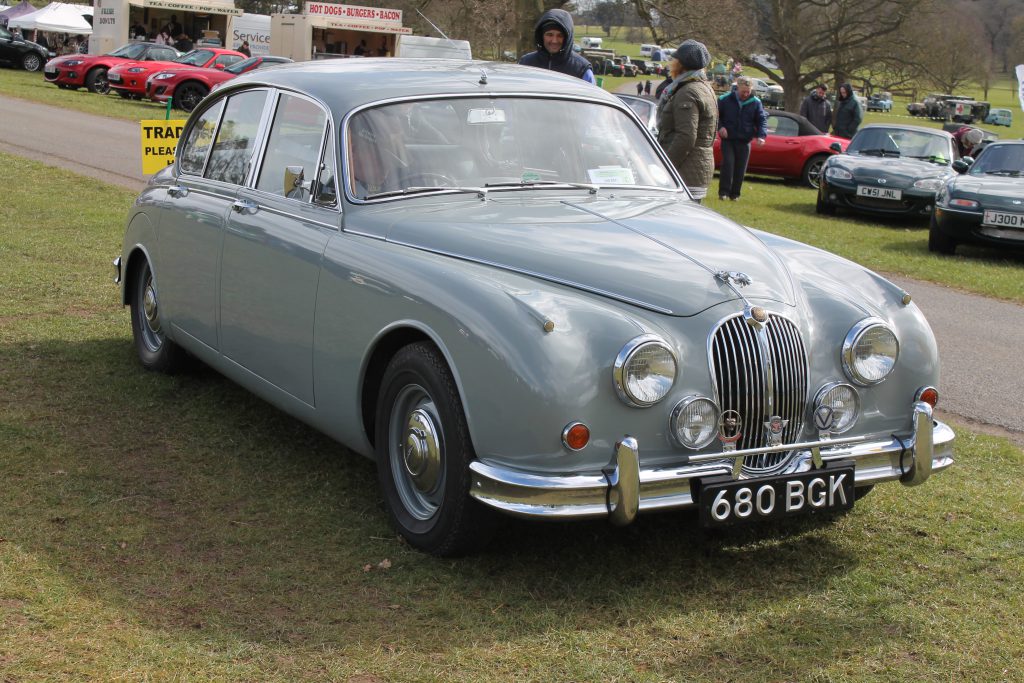
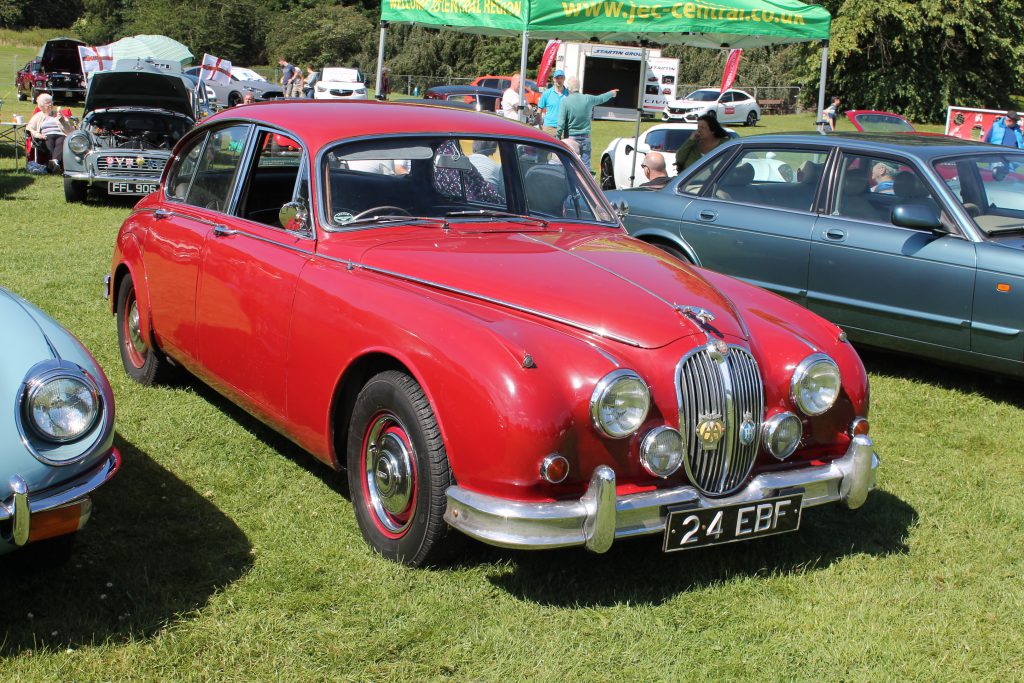
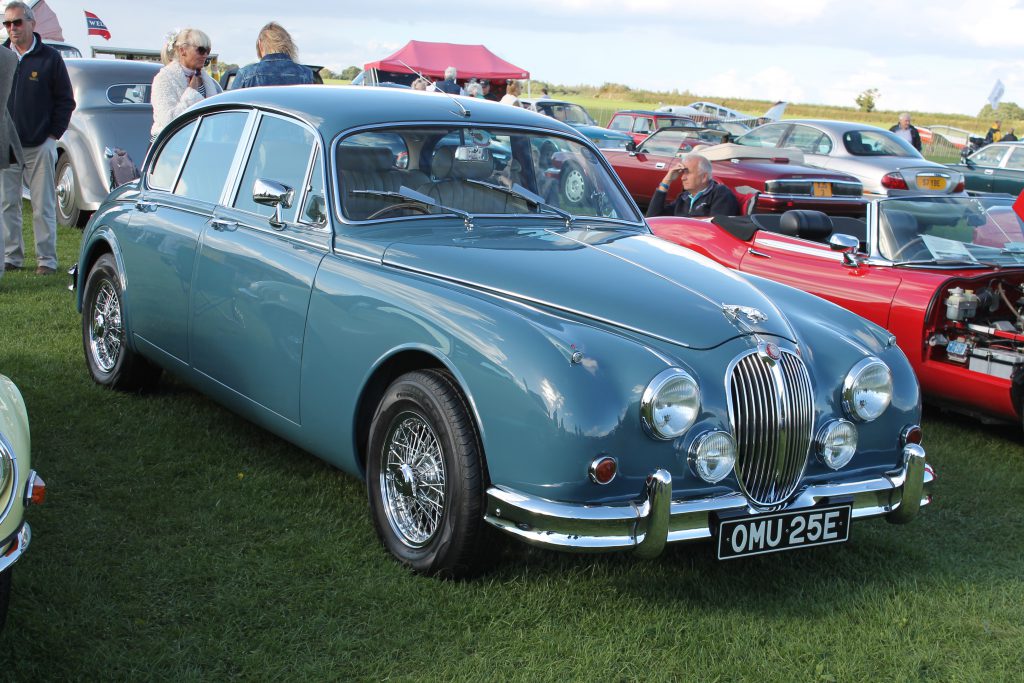
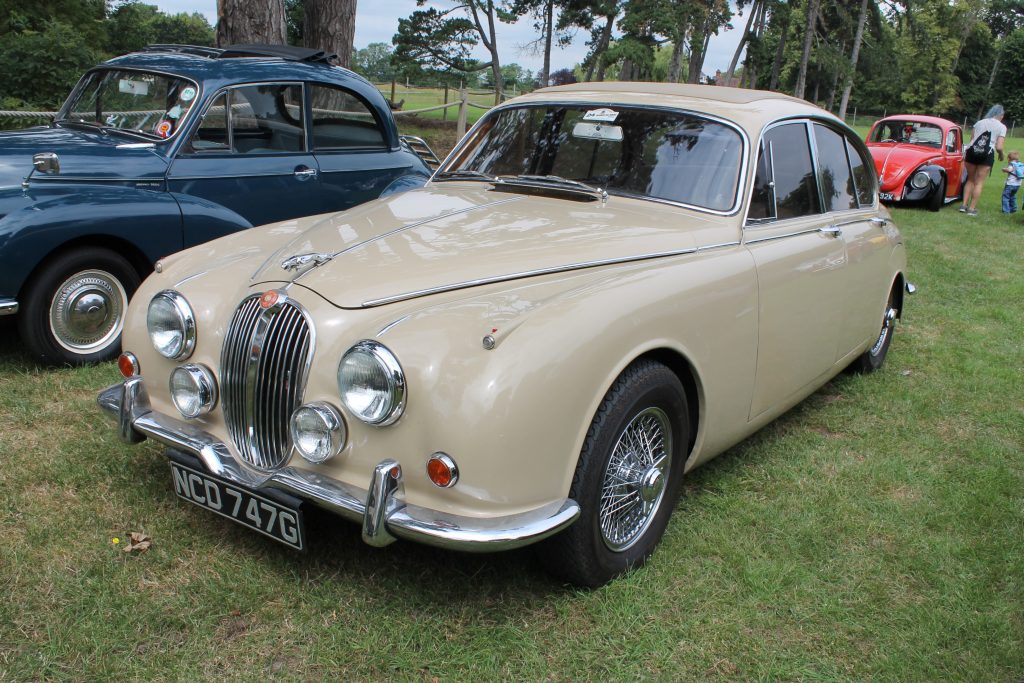
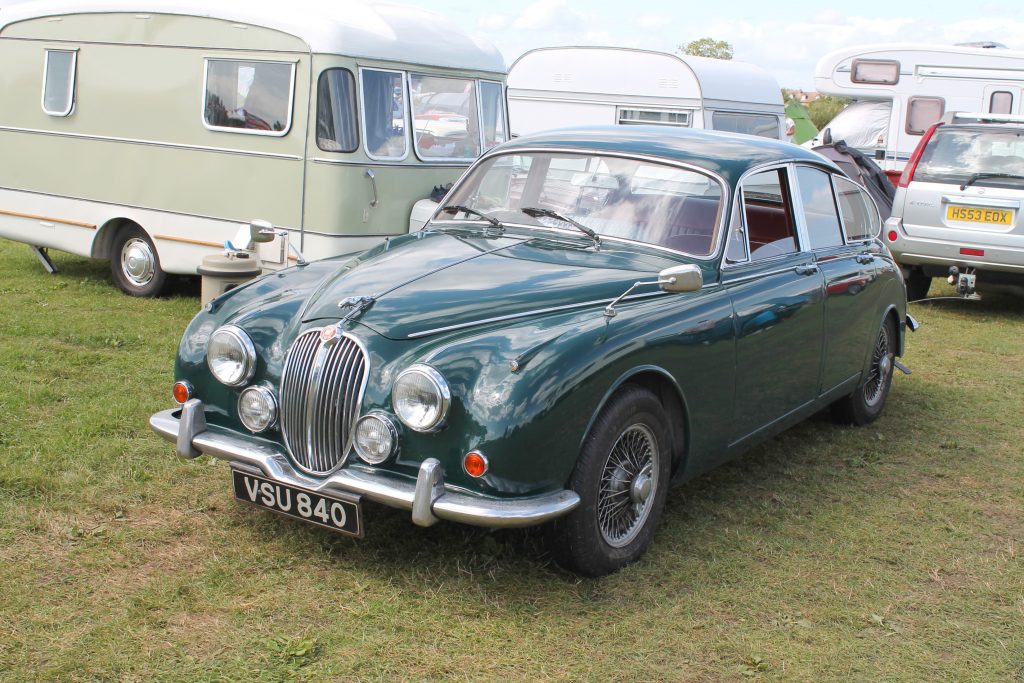

When the Jaguar Mk2 was introduced in 1959, it did what only a handful of cars ever manage - it defined a class of its own. Now, strictly speaking, Jaguar had already done this with the Mk1, which was the world’s first super saloon. However, it was with the arrival of the handsome and refined Mk2 that Jaguar took the class into a whole new stratosphere, leaving its rivals trailing far behind. Today it remains one of the most easily recognisable classics around, and a fabulous saloon to buy and own.


The Jaguar Mk2 was designed as a replacement for the Mk1 saloon and, unlike most facelifts, vastly improved upon its predecessor. Thanks to some styling trickery (including a deeper windscreen and larger windows) the Mk2 was a fabulous looking thing. In fact, even today it stands out among classics from the Sixties as an era-defining piece of design. Jaguar perfected an irresistible formula with the Mk2. Over 80,000 units were produced between 1959 and 1967, which allowed Jaguar to keep prices reasonable, allowing a far wider demographic to get their hands on a proper Jag for the first time. It wasn’t like the Mk2 was a bargain basement saloon, either. It featured innovations like disc brakes, boasted a beautifully trimmed interior and was fitted with a refined straight-six engine. This made it good for 100mph in an era when hitting the ton was usually reserved for all-out sports cars. Coupled with the practical saloon body and balanced handling, the Mk2 became an instant hit - most infamously among the gangster community. Forget the Audi RS6 and BMW M5, this was the original sports car slayer. Of course, the Jaguar Mk2 had something of a split personality. On one hand it was the classic British saloon - sedated, comfortable and elegant. On the other hand it was a gentleman thug, packing serious punch for the money. This dissonance was demonstrated best by the Mk2’s considerable television presence. Villains drove a Mk2 in every cop drama - which wasn’t far from the real world truth. However, it was actually the Jag’s starring role in Morse, as John Thaw’s wheels, that cemented it in British pop culture. Given that Thaw spent most of his time chasing after Mk2’s in The Sweeney, the fact that Wagner-loving Morse also drove a Jag speaks dividends about the broadness of its appeal. The Mk2 came with Jaguar’s venerable straight six, available in a range of different capacities. The entry level 2.4-litre didn’t set the world alight, despite its 8hp advantage over the Mk1. The 3.4-litre AK derived engine that sat at the top of the Mk1 range was carried over as a middle of the range sweet spot - but was actually slower than the Mk1 due to the increased bodyweight. You wouldn’t have felt this, though, because the Mk2 was a far more forgiving and well-balanced car, which improved cross-country speed. The halo car was the 3.8-litre engine, which achieved an impressive 125mph top speed and ample power, it maximised the Mk2’s beautiful balance to create a truly formidable getaway car. Sorry, super saloon.
The Mk2 is a perfectly designed rust trap. The downside of sharing most of its monocoque body with the earlier Mk1 is that the Mk2 didn’t really improve upon the older car’s rust issues. Underneath, the Mk2 is an early 1950s design. This, combined with poor rust-proofing treatment means the Mk2 rusts terribly. The worst part? Most of it is hidden. This means that absolute dogs can be dressed up as garage queens, so you’ll need to be vigilant if you’re going to save your time and money. Start by inspecting the inner and outer sills, the bottoms of the doors, the wheel arches, the wings (which are particularly expensive to replace) and the floor pan. You can use clues such as ill-fitting panel gaps on the doors (evidence of a dodgy shell or rot in the front of the sill) and cracking paint to decipher if the car is hiding serious issues. You’ll also want to pay attention to the state of the spare-wheel well, fuel tank, the headlight surrounds and the grille, the anti-roll bar mountings, the rear spring hangers and boot lid. Another infamous rust spot is near the nose, where the crossmember, chassis legs and radiator cowls meet. When the chassis legs corrode, water will quickly get in and spread to the jacking point. You’ll need to train your eyes for shoddy plating and distorted metal in this area (because it is often patched badly).
Jaguar’s straight sixes are beautiful engines as long as they are well-maintained. In fact, some Mk2 engines have been known to reach over a quarter of a million miles. However, if the engine has been neglected you can quickly burn a hole in your wallet putting it right. Make sure your Jag has had its oil changed every 3,000 miles, and check the level and colour of the lubricant (thick, black liquid is a sign of serious trouble). It’s the same story with the antifreeze. If the level hasn’t been topped up then the alloy cylinder head will corrode inside, which will eventually cause the radiator to become blocked and leave you on the side of the M25 in a cloud of steam. The Mk2 consumes a healthy amount of oil (blue smoke is also common) and pressure will sit around 40psi when on the move. If the underside of the car is coated in oil then the rear crankshaft’s oil seal has probably given out. You’ll need to rebuild the whole engine in this instance.
The Jaguar’s four-speed Moss transmission (used until 1965) is pretty hard wearing, but it doesn’t have a synchromesh on first gear, so make sure it doesn’t jump out of gear. Also check that the overdrive is working (if fitted). While the overdrive is easy to fix, bear in mind that if you’re thinking of rebuilding the gearbox then spares are difficult to come by. The later gearbox is more reliable because it’s full synchromesh and has a smoother change overall. The Borg Warner auto also wears well, but will require regular fluid changes.
Running gear should be pretty strong on the Mk2, as there are no notable flaws. However, this is a quarter-century old car now, so droopy springs, worn bushes and spent dampers are worth watching out for. This isn’t a deal breaker though, because spares are readily available.
There isn’t much to go wrong with a Mk2. There's no heated seats or electric sunroofs to worry about. In fact, as long as the dials, lights, ignition and battery are working well, you haven’t got an awful lot to be mindful of. It’s worth checking if your example has been converted to an alternator, because many have.
Unlike the electrics, the cabin in an old Jag can be a leather-clad headache. The seats can sag, rip and crack, while the substantial wood trim often delaminates or fades. The carpet can be tattered and the headlining has had to sustain half a century of cigarette burns and stains. If you find an example with a dog’s dinner of an interior, think twice before replacing trim. It can quickly become ruinously expensive (to the tune of £10,000).
This is where the Mk2 really comes alive. It combines an effortless refinement and ride comfort with the poise and balance of a sports car. Indeed, it fits William Lyons’ ethos of “Grace, Space, Pace” perfectly. You could easily use this Jag as a daily driver, still practical enough for weekend trips away or for dropping the kids off at school in the morning. Many owners have modified their cars with power steering, tweaked suspension and performance upgrades. This is either a good or bad thing, depending on your sensibilities, but there’s no doubt that these upgrades greatly improve the Mk2’s modern day usability.
Like many everyman classics, the Mk2 has experienced a price hike in recent years. A project car can be had for as little as £2,000, but don’t be fooled. You could spend at least double this putting it right. If you’re lucky. Indeed, examples in good working condition start at around £20,000, rising steeply to around £50,000 for concours cars. The no-man’s land between these two values offers you examples in great condition - albeit with high miles.
The real running costs will arrive when you think about replacing a few bits of trim, or you need to book the car in for some more serious work. Indeed, while there were a lot of Mk2s made, a lot of the spares are hard to come by and will cost you a great deal of time and money trying to source them. Be particularly vigilant of shabby cabins. The trim pieces alone are very expensive, and will quickly add up. The cost of an entire cabin revamp can cost as much as a brand new hatchback.
The Jaguar Mk2 has a successful history in touring cars. Most famous for going wheel to wheel with Minis and Ford Galaxies in the BSCC, the Mk2 quickly racked up a number of wins following its debut in 1960. It proved it's worth in the Australian Touring Car Championship too, winning in 1962 and 1963. Denny Hulme and Roy Salvadori also won the Brands Hatch 6 Hours in 1963 driving a Mk2.
The Jaguar Mk2 is one of those rare cars that elevates itself above automotive folklore, entrenching itself in Britain’s heritage, alongside Georgian townhouses and Beefeaters. It’s a special car this, and certainly one of the greatest Jaguar’s ever made. While prices have risen in recent years, if you buy well then you’ll have a genuine piece of British pop culture on your hands, and one hell of a classic.
Clubs & Websites

 Log in / Register