


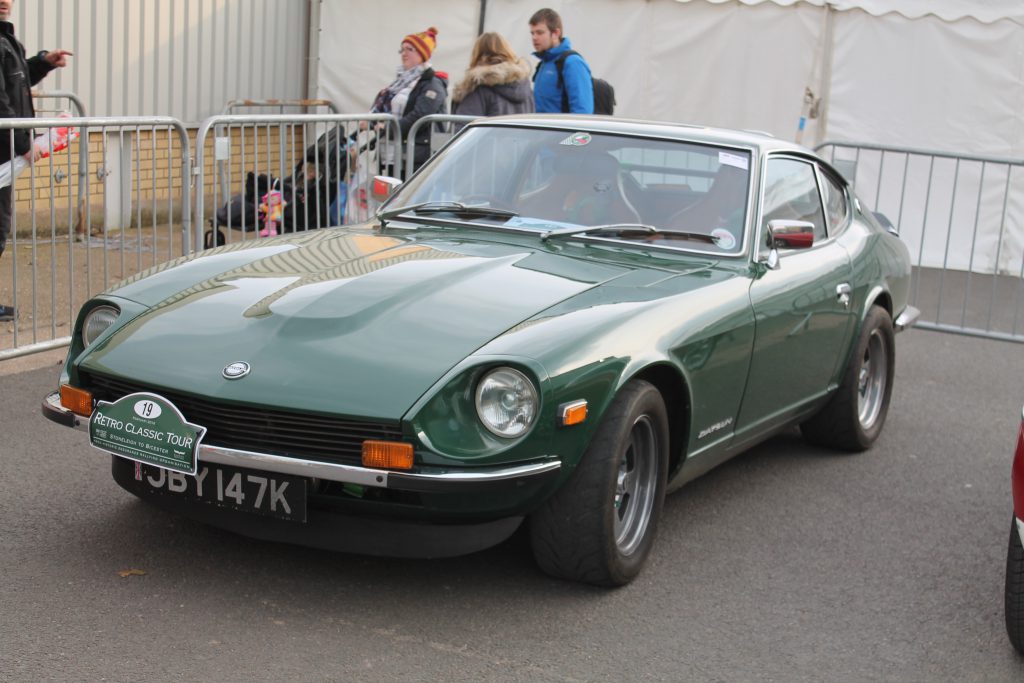

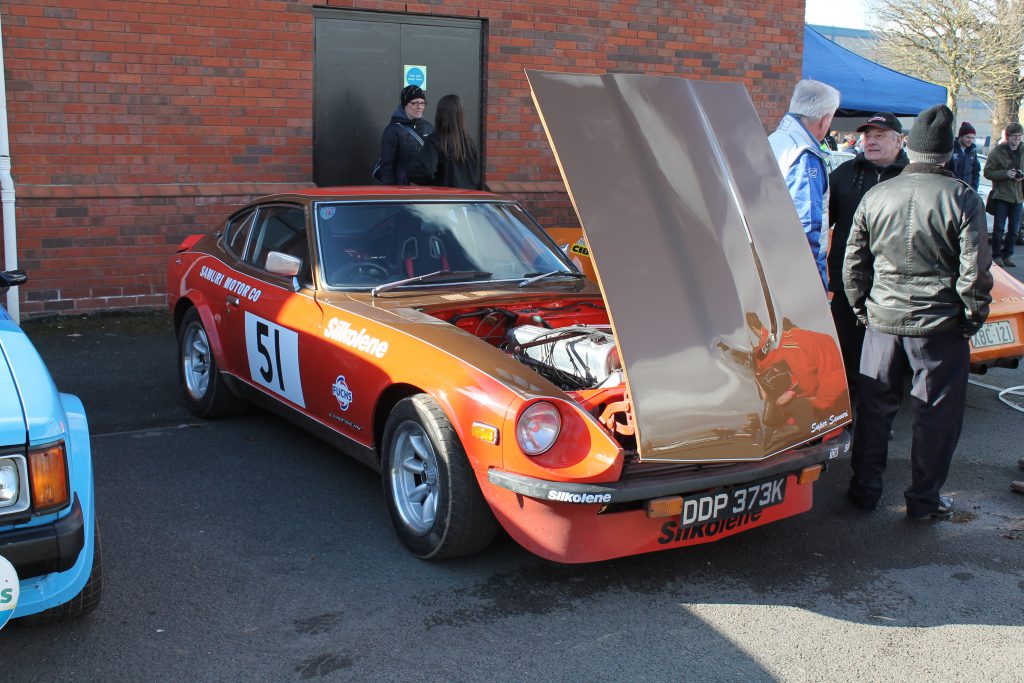


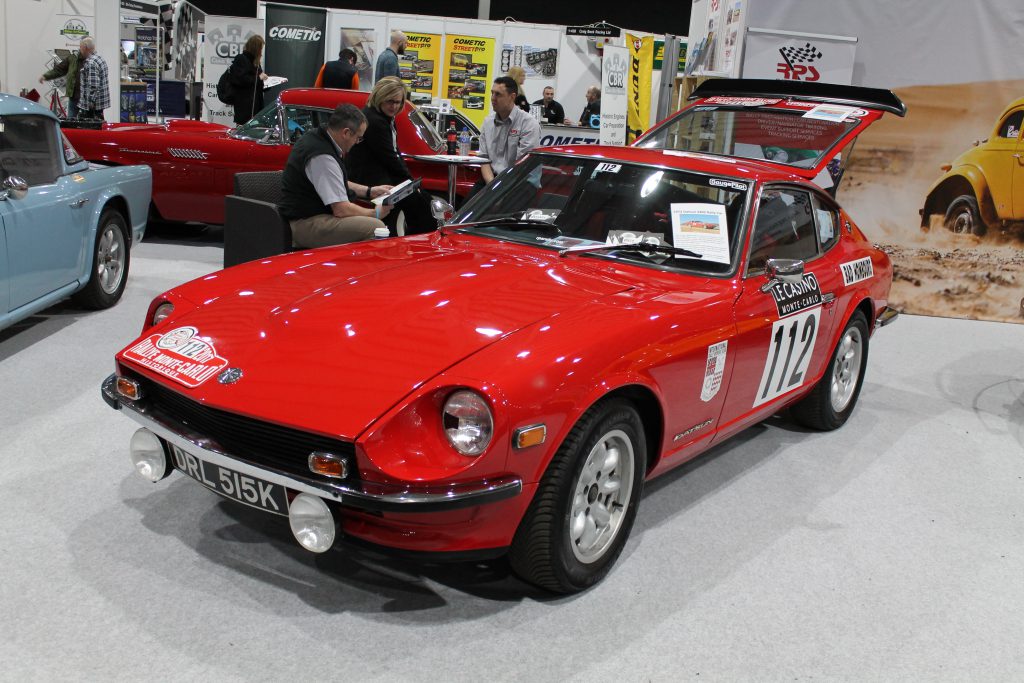
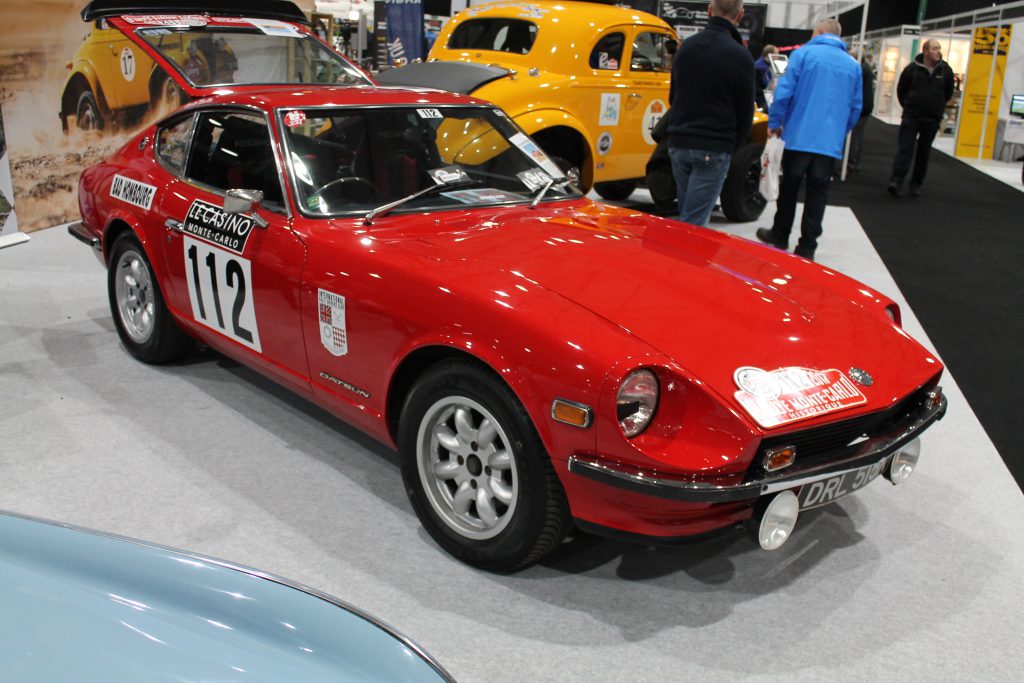


The best sports car of the Seventies? It’s an unlikely story, but thanks to a combination of European looks, Japanese reliability and tempting affordability, the Datsun 240Z quickly became the world’s best selling sports car. If you avoid the rust this is a seriously desirable classic.



Datsun was determined to create the best all-round sports car on the market, borrowing styling cues from European classics like the Jaguar E-Type and Lancia Fulvia. There’s a bit of TVR in there too, and some Jensen. It’s no accident, Datsun wanted to appeal to the same petrolheads that were stuck on the side of the motorway in an MGB, offering an alternative that actually worked. The 240Z was fitted with a rev-hungry 2.4-litre straight six that produced 160 bhp and 198 lb ft of torque, albeit with a power band that started well over 5,000rpm. It was enough to get the Datsun to 60mph in eight seconds, topping out at 125mph. Headline-making stuff, especially when it only cost 10% more than an MGB GT. The car was a huge success world-wide, becoming renowned as the Japanese 911, but thanks to rust issues many have been lost. Finding a mint example is tricky, but not impossible.
The 240Z’s main issue is rust. It’s worth bearing in mind that until recently these cars were dirt cheap, and many owners scrimped on maintenance and restoration costs. There’s a lot of dogs out there, and because the Datsun usually rusts from the inside out, rot can easily be disguised. You’ll want to give the whole body a close inspection, focusing on the front of the bonnet, headlamp cowls (on post-1972 models) and the valance. The whole front section is a trap for dirt and moisture, so pay special attention to panel gaps in this area. Inspect the lower front and rear wings, the sills (particularly at each end), wheel arches, the door bottoms, boot-lid surrounds, battery tray, spare wheel well and behind the rear lights (and the rear hatch). Other areas to check include the crossmember under the radiator, the suspension and steering mounts, the suspension turrets, chassis rails and the scuttle at the bottom of the windscreen tray. Take a good look at the floorpan too. If it's covered in thick underseal a previous owner has probably bodged a repair, which speaks volumes about the rest of the car. Bear in mind that body panels are relatively cheap to replace, whereas structural damage beneath is a nightmare.
This is where things start to look up. The Datsun’s engine is fantastically long-lasting. If it’s cared for this is a power-plant that can easily reach 400,000 miles without breaking a sweat. Naturally not every engine is looked after, and neglect can mean big bills. Check the condition of the cams through the oil filter by shining a torch and turning the engine over on the starter. Also look for evidence of head-gasket failure. You should be seeing 55psi of oil pressure while driving. It’s an alloy head, so if there’s no rust inhibitor it can cause silt to build up, restricted water flow, overheating, a warped head or even a blown gasket. When you start the car up, look out the back for signs of smoke, especially once the engine has warmed up. Like most Japanese sports cars, the 240Z is innately tuneable. This is a double-edged sword because a lot of cars have larger engines or performance alterations. Unless the tuning has been carried out by a professional, these alterations can place stress on the engine, ruining parts. You can check the original engine serial number on a plate under the bonnet, as well as on the block.
Make sure each gear engages smoothly and the synchromesh works, especially on first, second and fifth gears. You can tell a UK car from an import easily from the gearbox. British cars all have five speeds and foreign cars have four. You can also tell the true age of the ‘box from the gear lever. Early cars have straight levers and later ones are bent. Keep an ear out for worn bearings too, as well as any whining, although if it comes from the rear it’s probably just the differential.
There’s not much to go wrong here, but check for signs of corrosion and cracks around the inner mountings. Look out for the usual signs of worn bushes and dampers when out on the test drive.
The distributor is a common fault with 240Zs. Ascertain its health by sucking the end of the vacuum-advance hose and making sure the internal plate rotates smoothly and clicks back into place. If the car doesn’t want to turn over with the key then it could be a faulty starter solenoid. Before you repair it, replace the cheaper and more accessible steering column ignition switch first and see if it helps. Fuses can blow due to oxidised connections, but you can buy a beefed up fusebox off Z Store for less than £200. Do all the usual checks to make sure the lights and controls work correctly, as well as the gauges, windscreen wipers and locking mechanism. The oil pressure sender can often be faulty.
The cabin is not as durable as the running gear. Look for cracks on the dashboard (a tell-tale sign of sun-damage), because they are commonplace and a pain to repair. Pre-1977 cars were fitted with vinyl seats, which split and perished quickly. The cloth panels last longer but they tend to discolour. The plastic trim should be pretty hardy, so don’t worry too much about replacements.
The 240Z drives how it looks. Brilliantly. It drives so well in fact - with agile, tailhappy handling - that even dodgy examples feel fantastic on the road. This is a nice problem to have, but you’ll need to go on a long test drive if you’re to unearth any hidden gremlins. The ride should be firm and controlled without being crashy, and the handling is classic sports car, with easy to place steering and wonderful balance in the chassis. If the handling is wollowy or the car is difficult to control then it points towards damper issues. Keep an eye on the rear-view mirror during the test drive (checking for smoke), and listen out for any unhealthy rattles and whines from the engine.
The 240Z spent many years in the doldrums, worthless and neglected. Not so now, with values skyrocketing. The days of a cheap Datsun restoration are over, with project cars commanding anything between £5,000 to £10,000. You can find a decent - if rough - example for £15,000 to £25,000, but you’ll have to fork out anything between £25,000 and £50,000 for something special. Aim to spend around £30,000 for a good plug-in-and-play runner.
Replacement body panels, trim items and engine parts shouldn’t break the bank, but remember how expensive project cars are in the first place, and how quickly these bills add up. Compared to its European counterparts the 240Z is peanuts to run - if anything because you won’t need to repair it every two seconds. Fuel consumption is decent too. The Datsun could easily be used as a daily driver.
As long as you don’t buy a hastily-restored wallet burner, the 240Z is an incredibly tempting classic. Like the Mazda MX-5 that came later, it provides the irresistible combination of European style and charisma with Japanese reliability. Prices are climbing steeply, but get your hands on a good one and you’ll never look back.
Clubs & Websites

 Log in / Register