


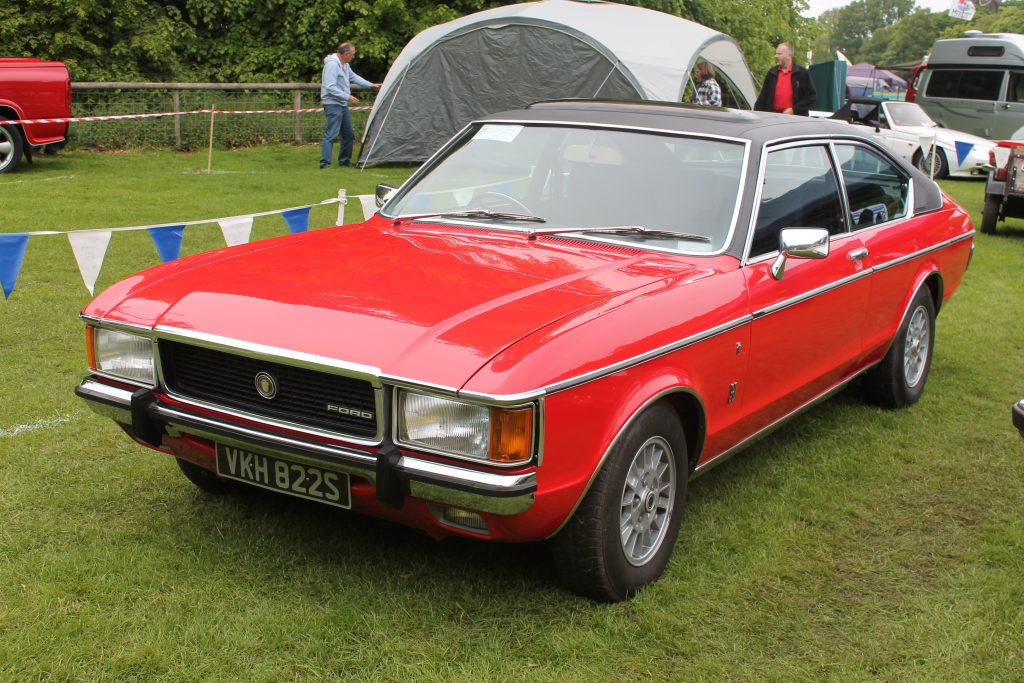
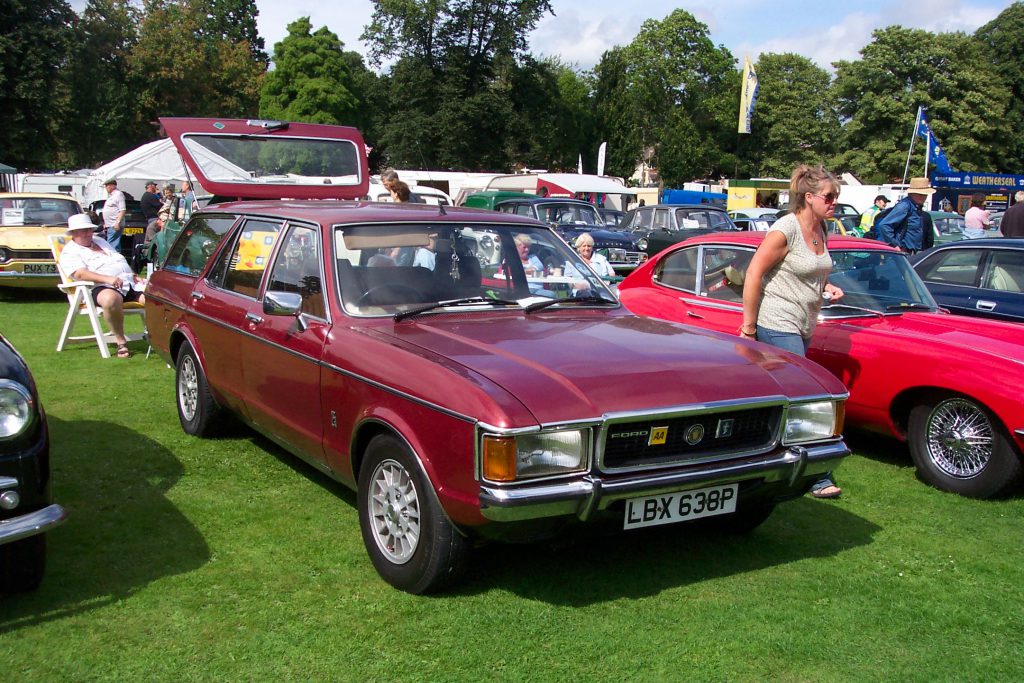


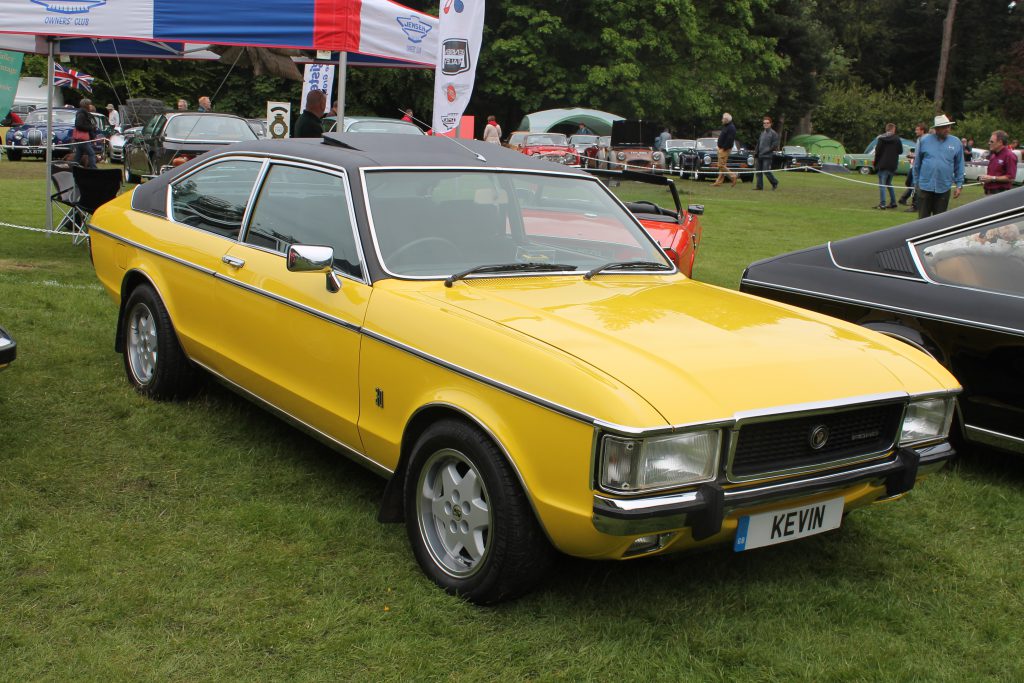


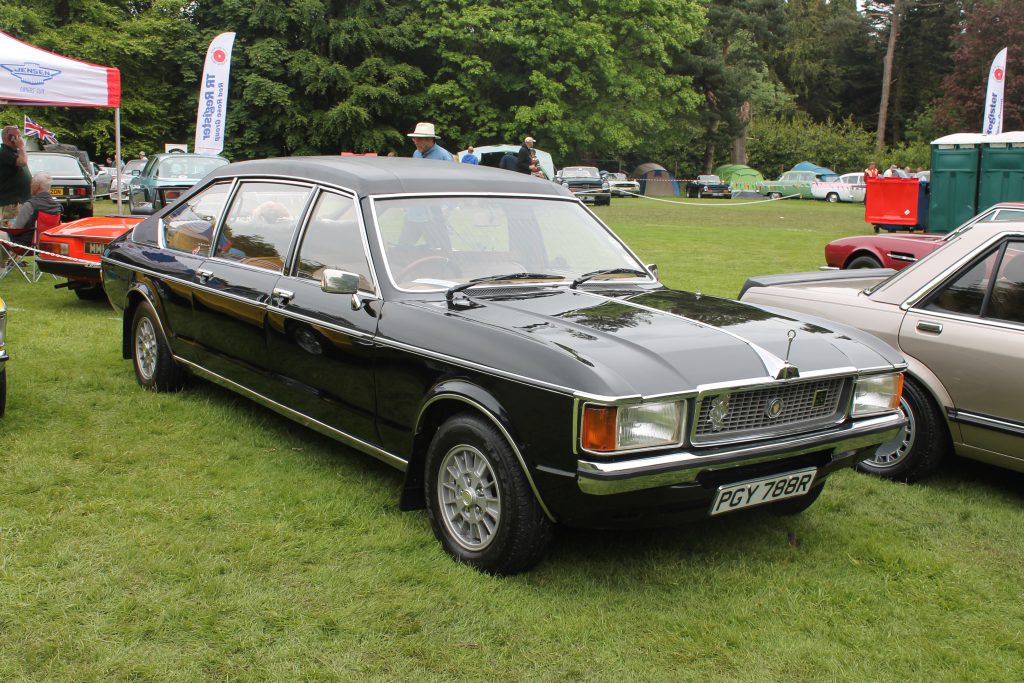


The Consul and Granada epitomised Seventies Ford. Handsome, cheap and hard as nails, the Granada made the perfect ride for Jack Regan and George Carter in The Sweeney, and captured the imaginations of a nation. Today it is a fabulously practical everyday classic and a rare chance to live out your Flying Squad fantasies.


Ford had a specific vision for the Granada from the start. The Zephyr and Zodiac were being shunned, thought of as undesirable in comparison to the Triumph 2000. This was the Blue Oval’s opportunity to strike back. It arrived in 1972 with a range of V4 and V6 engines and muscular looks that wouldn’t have looked out of place on the streets of Detroit, while maintaining a recognisably European appearance. It was popular from the start. The only issue was the name. Ford was initially forced to use the Consul name thanks to a legal entanglement with Granada Group, before settling the action and only using the Consul name for the entry-level Granada. Talking of badge engineering - Ford had recently bought the Italian styling house Ghia, and intended to give the top spec Granada a bold redesign. Sadly, company accountants stepped in and spoiled the fun, leaving the Ghia to launch with nothing more than a new grille and a more luxurious cabin. The Granada was a considerable success, not least thanks to its starring role in ITV’s The Sweeney. It quickly became a third member of the Jack Regan/George Carter double act. Indeed, the countless car chases and addictively quotable Regan lines offered Ford the best advertisement it could have hoped for. Every bloke was out trying to get his hands on a copper Granada in a desperate attempt to emulate John Thaw. Over half a million Mk1’s were sold by the time production ended in 1977, cementing its place in the Ford range for the foreseeable future.
Rust is the Seventies classic’s worst enemy, and things are no different with the Granada. Inspect the body extensively. Surface level corrosion will be easy to spot, but don’t be mistaken for thinking this is where it ends. The front wings are a trouble spot, as are the headlight surrounds which horde dirt and moisture, and the front and rear valences too. Take a close look at the inner sills, particularly towards the back, as well as the rear pillars. Bear in mind that higher specced models can suffer the worst because of the various chrome trim details.
The Granada benefitted from some typically strong Ford units, however the amount of replacement parts varies for each. Beware that the pre-1975 2.0-litre V4 has far fewer spare parts available, whereas the 2.0-litre Pinto, the 2.5-litre and 3.0-litre Essex V6s are well-catered for. If the engine has noisy tappets it isn’t necessarily a major issue. You can get them silenced with a professional re-adjustment. However, if this doesn’t do the trick then it could be because the oil hasn’t been changed regularly or grotty oil has been used. It could also suggest the engine has blocked oil ways, which may have you stripping the engine down to solve.
The manual box is nigh-on bulletproof, so don’t worry too much. It’s very rare but if there is driveline slop it’s probably due to worn universal joints in the prop-shaft. If you’re buying an automatic, check the condition of the oil. This is because the auto has an oil cooler attached to the bottom of the radiator. If this rusts it can seep water into the transmission, wrecking it.
Again, there’s no horror stories here. Conduct the usual checks, and have a look to make sure the car sits right on the road. When on the move watch out for any excessive wallowing or crashing from the suspension. This could point towards worn dampers or anti-roll bars.
The electrics are delightfully simple on the Mk1 Granada. This was before the era of complicated and faulty electrical gadgetry, so there’s not much that can fail. If you find issues (such as faulty switches) it will likely be due to old, broken wiring and connections, or a rusty fuse box. It is not the work of a moment, but if you have time it’s worth inspecting the hexagonal oil pump drives (which connect the oil pump to a gear at the bottom of the distributor) for wear and tear. It won’t be easy to get at them, and you’ll have to adjust the timing afterwards, but you’ll save yourself the trouble of an oil-starved engine. To kill two birds with one stone, why not replace the condenser with an electronic ignition system, which gives you more efficient running, even when the engine is hot.
Trying to find a Granada with an immaculate cabin is increasingly difficult, making spare parts very rare and very pricey. Therefore approach a natty interior with caution. Things to look out for include wear on the cloth upholstery, especially on the base of the driver’s seat, and sun damaged rear uprights.
The Granada drives exactly how it looks. This is no sports car - the steering is light and lacking in response, the performance is adequate rather than startling and the body control is nothing special. No, what the Granada excels at is comfortable cruising. Being a Ford, the Granada is still entertaining to drive on the right road, thanks to its independent suspension and makes a soothing motorway companion. When on a test drive, channel your inner Regan and keep your feelers out. If there is inconsistent body roll or the engine is puffing black smoke out the back then something is obviously wrong, but also pay attention to the small things, which often say so much about the general mechanical state of the car.
Ascertaining the value of a Granada mk1 is tricky. There is a dearth of examples on the market, so finding a car in the first place will be a challenge. What is certain is that, thanks largely to this rarity and TV prestige, Granada mk1s hold their price extremely well. While you can occasionally find project cars around the £1,000 mark, beware that finding new interior trim can cost almost as much as the car itself, if not more. A saloon in working condition will set you back anything between £4,000 to £6,000, while show cars are now hitting the £10,000 mark. You’ll need to add a couple of grand for an estate or coupe in similar condition.
There’s nothing scary to worry about. The Granada is a tough car that’s got simple mechanicals and is easy to work on. The only thing to keep in mind is the lack of cars knocking around these days. While replacement mechanicals will always be easy to find, Granada-specific interior trim is becoming eye-wateringly expensive.
The Ford Granada Mk1 is one of those rare cars which is greater than the sum of its parts. It’s a humble consumer product that has become something exciting in the minds of enthusiasts. No doubt this is largely thanks to its considerable television exposure, but it’s also thanks to the Granada itself. It holds its own even today, and is the ideal everyday classic.
Clubs & Websites

 Log in / Register